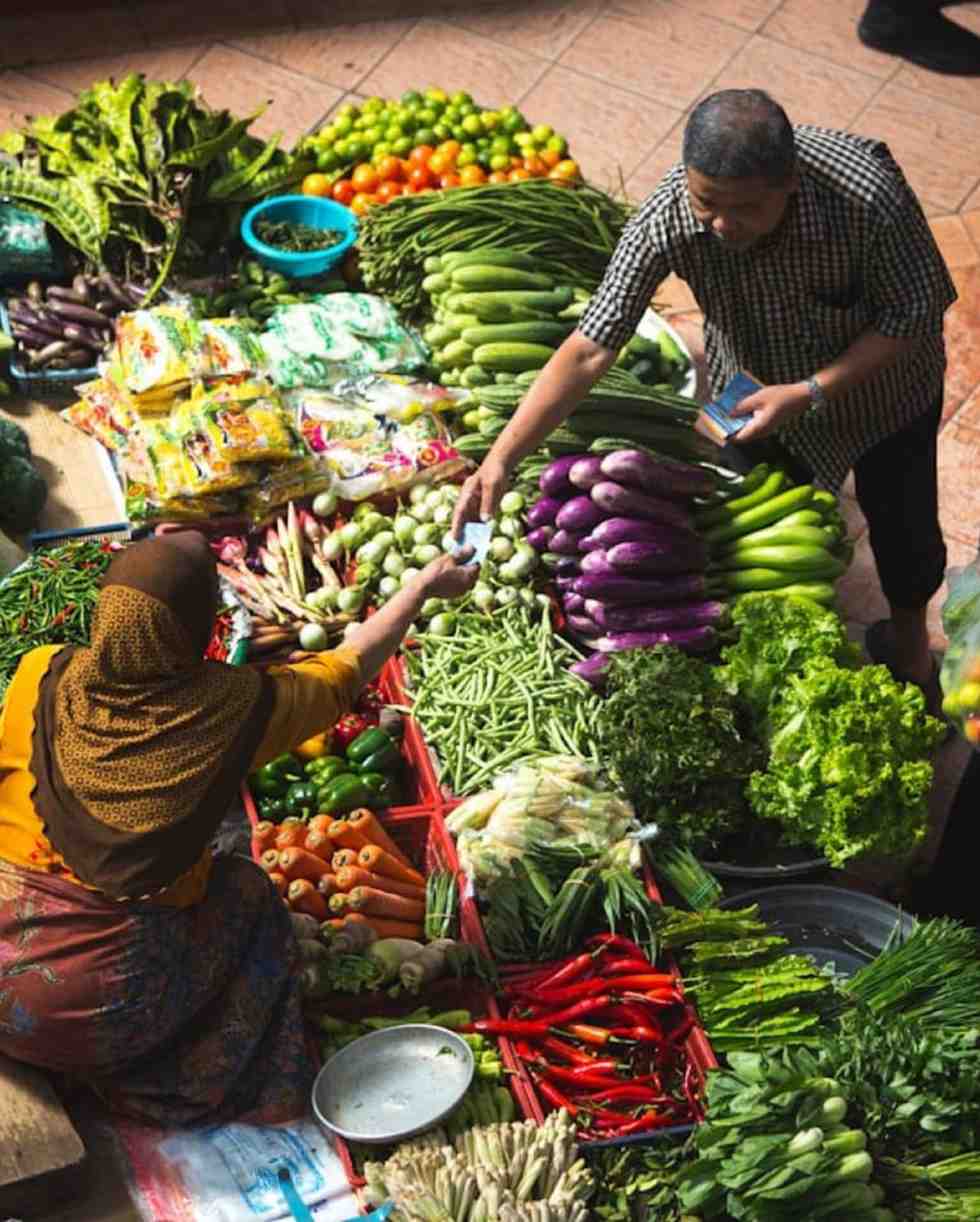
Nigeria's agricultural sector has long been the backbone of its economy, employing a significant portion of the rural population and contributing substantially to food supply. But in recent years, rising insecurity — from herder-farmer conflicts to banditry and kidnappings — has cast a long shadow over farmlands across the South-East and beyond.
Farmers Abandoning Their Land
Across states like Ebonyi, Enugu, and Imo, reports of farmers fleeing their lands due to armed attacks have become increasingly common. When farmers cannot plant, harvest suffers. When harvest suffers, food becomes scarce — and prices spike sharply in markets that students depend on daily.
"A student who cannot afford a decent meal cannot concentrate in class. Food insecurity and academic performance are directly linked."
The Direct Impact on Students
For university students — many of whom come from farming families or rely on affordable local produce — the consequences are immediate:
- Rising food costs stretch already-thin budgets, forcing difficult choices between feeding and studying.
- Students from affected rural areas face increased family pressure, sometimes dropping out to support displaced relatives.
- Research and fieldwork opportunities in agricultural economics are curtailed due to safety concerns.
What Can Be Done?
As future economists and policy advocates, NESAites are uniquely positioned to engage with this crisis — through research, public discourse, and community engagement. Understanding the link between security, food systems, and student welfare is the first step toward crafting meaningful solutions.
NESA South East Zone remains committed to amplifying these conversations within our chapters and beyond.